
STEAM: Science, Technology, Engineering, Arts, and Mathematics, is not an add-on or enrichment program. It is a way of teaching and learning that brings the core content of school to life. By applying knowledge across disciplines, STEAM helps learners see how numeracy, engineering, technology, creativity, and problem-solving are connected and essential in every subject and every future. This hub is a place for educators, leaders, and partners to explore how STEAM connects core learning to real-world applications and helps all Maine learners grow as critical thinkers, makers, and innovators.
STEAM Resources
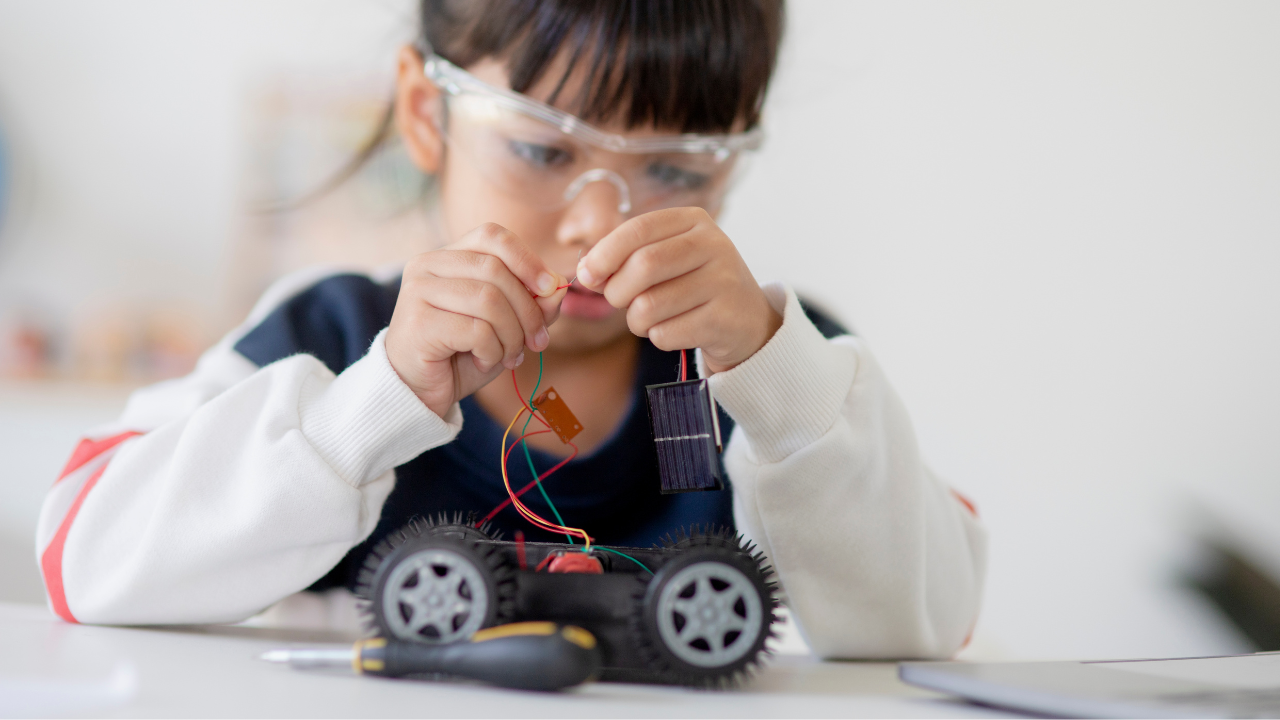
STEAM Foundations
STEAM Foundations is a curated collection of resources designed to help educators and learners build a strong foundation in STEM through curiosity, creativity, and real-world connections.
Explore:
-
Preschool STEAM Series | Infant/Toddler STEAM Series
These pages have videos and resources to explore how to support STEAM learning for preschoolers through strategies and teaching practices that help them develop reasoning, creativity, problem-solving, and language and communication skills. -
PBL and STEAM Education: A Natural Fit
This Edutopia article discusses how PBL and STEAM work together to create opportunities for authentic problem solving. -
WIDA Developing Language for Learning Mathematics
Self-paced workshop to integrate mathematics instruction and reasoning with language development for multilingual learners. A free account is required to access this resource.
Engage:
-
STEAM and Scientific Reasoning in Headstart
Explore resources from Headstart.gov that integrate and develop STEAM and scientific reasoning skills at an early age. -
WIDA Bulletin: Scaffolding Learning for MLs in Math
WIDA Bulletin outlining specific guidance and macro-scaffolding and micro-scaffolding math practices for multilingual learners
Apply:
-
MOOSE STEAM Learning Progression
MOOSE modules that are purposefully designed with a strong STEAM backbone. -
Go STEAM Learning Hub
Georgia Tech's STEAM learning hub features lesson plans that focus on authentic integration of STEAM in music.
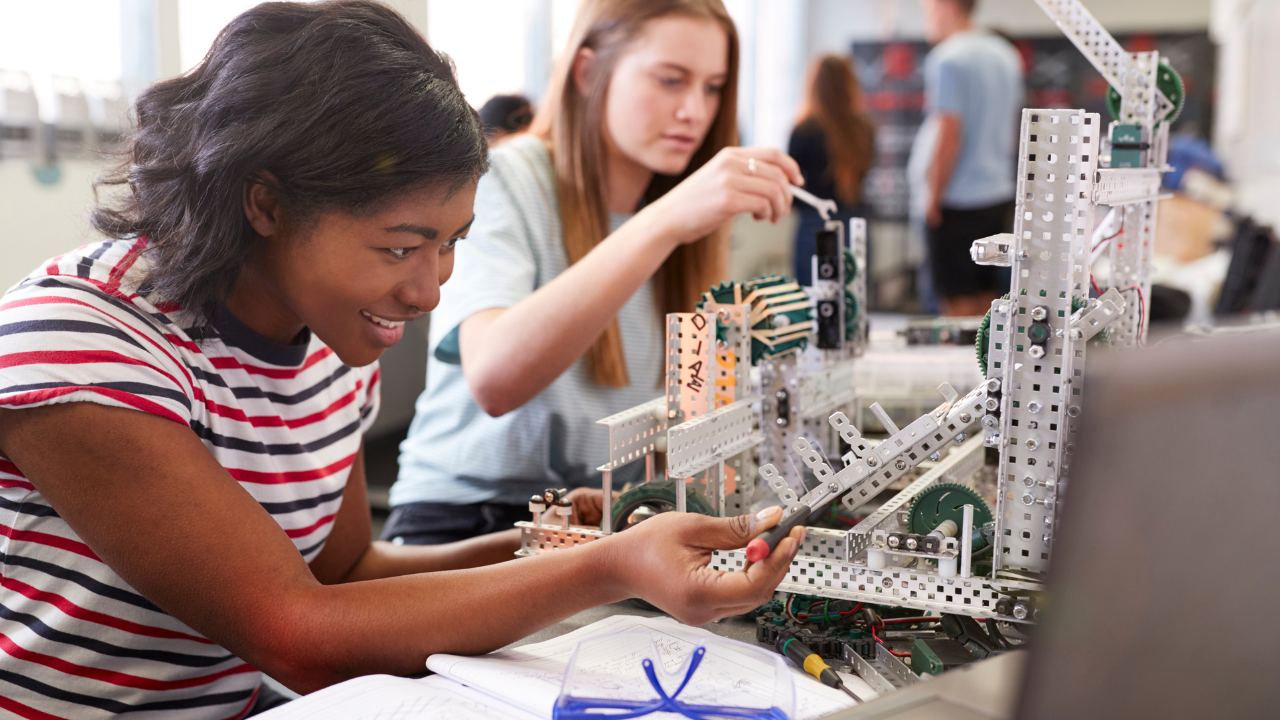
STEAM Connections
STEAM Connections is a curated collection of resources that explore the many ways STEAM connects to the world around us.
Explore:
-
Discover Education STEAM Career Exploration
This interactive career exploration tool supports students' understanding of STEAM-related careers. -
Wabanaki STEAM Resources
Wabanaki Studies and STEAM-integrated lessons and resources.
Engage:
-
Extended Learning Opportunities (ELO)
ELOs are experiences outside of the traditional classroom that emphasize community-based career exploration.
Apply:
-
Maine Apprenticeships
Database from the Maine Department of Labor of STEAM-related apprenticeships. -
Maine Climate Literacy Plan
Framework for climate literacy in Maine, designed to build capacity and programs from interdisciplinary climate education. -
Maine Climate Action Plan: A Guide
Designed to help teachers and students better understand what climate action is happening in Maine and how to be involved. -
Maine Climate Office
Interactive Climate Data in Maine from the University of Maine Climate Office. -
Ocean Water Quality Curriculum
I5 lesson series created for middle/high school students focusing data collected on ocean currents, undersanding water characteristics, and water quality.
Professional Learning, Standards, & Assessment

Professional Learning
STEAM-focused Professional Learning Opportunities.
- NSTA STEAM Professional Learning Units
These bite-sized, self-paced, synchronous Professional Learning Units (PLU) cover many aspects of STEAM education, including sense making, authentic problem solving, and the integration of engineering and career competencies. Each PLU costs $15.00 for NSTA members and $20.00 for non-members. -
Building a Culture of Teaching Outside Workshop (November 15, 10:00 AM – 4:00 PM, Wolfe’s Neck, Freeport)
This workshop will explore strategies for taking students outside, foster a conversation among colleagues, admin, and community to support long-term change, and navigate available open-source resources..

Standards Review & Assessment
As part of the Maine Department of Education’s commitment to supporting schools in the delivery of effective K-12 science and engineering instructional programs, this page provides links to resources to support implementation of Maine’s Science and Engineering standards.
Assessment
-
Maine Science Assessment
Schedule:
- High School: April 1-17, 2026
- Grades 5 and 8: May 11-22, 2026
- Three sessions, each 50 minutes in length for high school and each 60 minutes in length for grades 5 & 8 -
MSAA Science
The Multi-State Alternate Assessment in Science, or MSAA Science, is Maine’s alternate assessment for science. This assessment is administered in grades 5, 8 and 3rd year of high school and is designed for students with the most significant cognitive disabilities.
Contact
Erik Wade
Interdisciplinary Instruction Specialist
Phone: 207-441-6193
Email: Erik.Wade@maine.gov