
Home → Hunting & Trapping → Hunting → Hunting with Lead-Free Ammunition
Hunting with Lead-Free Ammunition
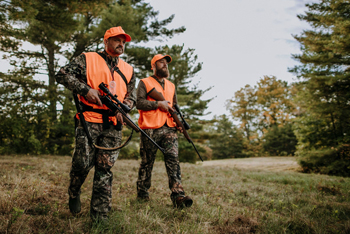
Maine Department of Inland Fisheries and Wildlife encourages hunters to make the voluntary switch to lead-free ammunition when hunting big game.
On this page:
- Why make the switch to lead-free ammunition?
- Background
- Other Ways to Remove Lead from the Food Web
- Frequently Asked Questions
- Places to Purchase Lead-Free Ammunition
- Additional Information
Why make the switch to lead-free ammunition?
Reduce potential impact to non-target species
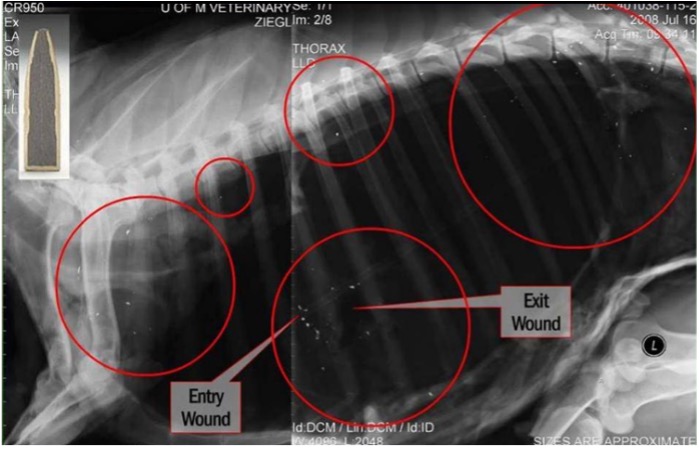
When an animal is shot with lead-core bullets, as much as a third or more of the bullet's total weight can be fragmented into hundreds or even thousands of tiny pieces upon impact and remain inside the body. When gut piles or parts of animal carcasses that were shot with lead bullets remain (or are placed) in the field, lead fragments often are left with it. Scavenging wildlife such as bald eagles, golden eagles, crows, and foxes can unintentionally ingest these fragments when scavenging remains. For some species, even after ingesting a tiny amount of lead, lead poisoning can occur, causing neurological and motor impairments that can lead to death or long-term impairment within a matter of days or over a long period of time.
Terminal performance
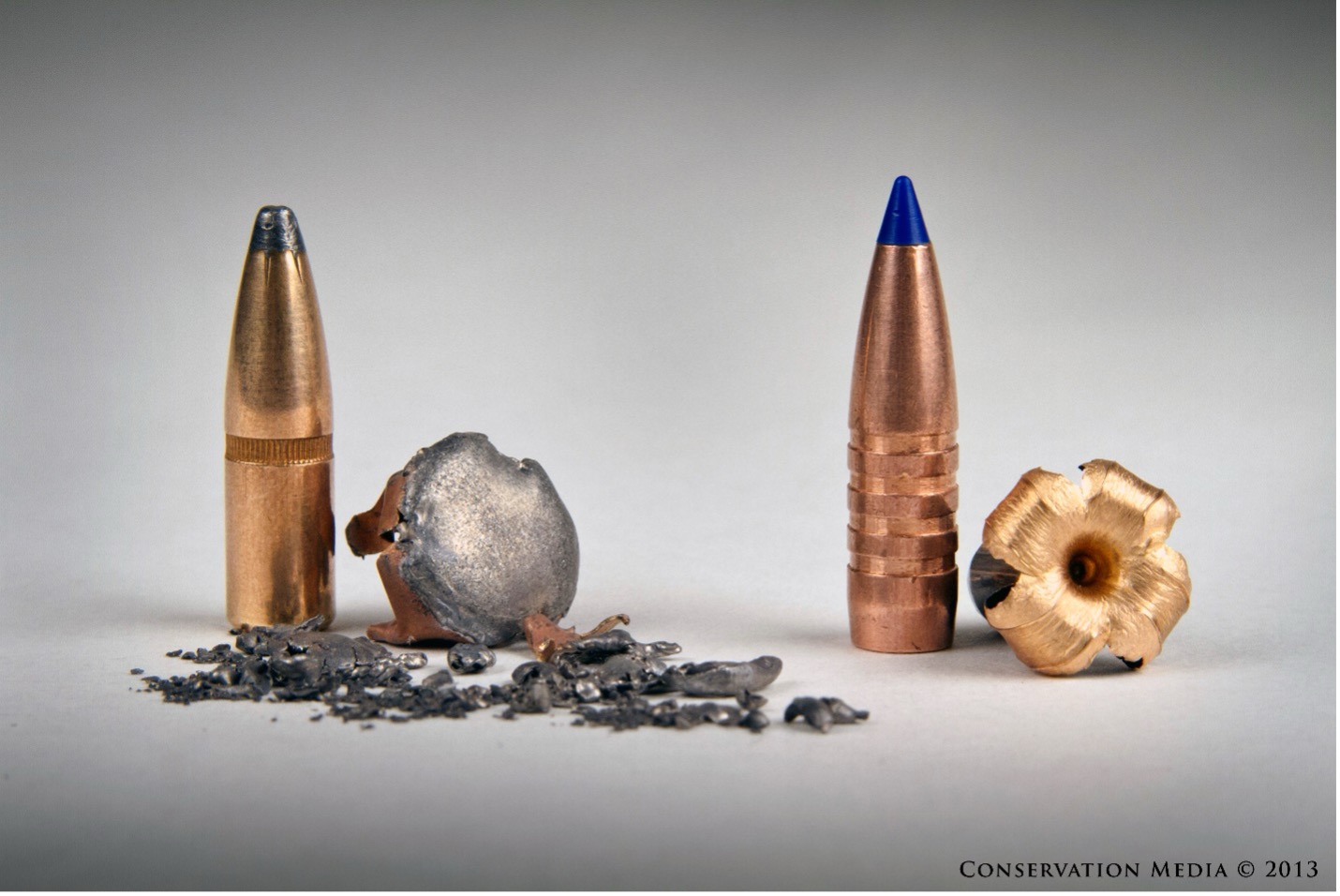
After years of development, today's copper bullets are available in a large array of calibers, weights, and designs that meet or exceed the performance of their lead counterparts. While some lead bullets can lose up to 40% of their mass on impact, spraying into tiny fragments up to 18 inches from the wound channel, copper bullets typically retain 95 to 100% of their mass, which can improve bullet penetration with a similar wound channel.
Continue hunter leadership
Making a choice to use lead-free ammunition for big game hunting is another way we as hunters can continue to support wildlife, ensure effective harvests, and protect the future of hunting by turning a conservation challenge into an opportunity to demonstrate our conservation leadership and stewardship.
Background
The Movement Toward Lead-Free Ammunition
Cheap and efficient, lead has long prevailed as the primary material for big game hunting ammunition. But in recent years, studies have illuminated the potential for wildlife health risks of using lead-based ammunition for hunting. Luckily, manufacturers offer cost-effective and powerful lead-free options.
Hunters are some of the original conservationists, maintaining species populations and protecting habitats. Switching to lead-free ammunition is yet another way to continue to demonstrate their support for wildlife. Below is an overview of the issue, the angles, and some of the options hunters have today.
Regulatory Changes for Waterfowl
In 1991, it became unlawful nationwide to hunt waterfowl with lead ammunition. Waterfowl hunting by nature is a congregated activity near bodies of water and wetlands. Waterfowl, like many species of birds, use "grit" to help grind food in their gizzard and aid in their digestion process. When deposited lead shot was being left on a relatively smaller landscape, waterfowl were intentionally ingesting pieces of lead shot as grit to help digestion and being exposed to dangerous level of lead. After a nationwide regulation was instituted requiring the use of non-toxic shot for waterfowl hunting, many waterfowl species experienced a rebound.
Lead Exposure to Scavenging Wildlife
Hunters take pride in not only providing food for their families but also helping to feed scavenging wildlife through the remains that they leave in the field. The remains of animals left in the field provide a great meal for scavenging wildlife. Unfortunately, when the remains of an animal that was shot with lead core hunting ammunition are left behind, so are the tiny fragments of lead that peel off of the soft bullet material when it enters the animal. These fragments are unintentionally eaten by scavenging wildlife and can potentially expose them to lead from hunting ammunition.
Changes in Hunter Preference
Having switched to lead-free ammunition for waterfowl, there is a movement among hunters to use alternatives such as copper for other game species as well. These options protect scavenging wildlife from being exposed to lead poisoning when consuming remains left behind.
Proper shot placement is the most important part of ethically killing an animal and can dramatically impact recovery of the animal, as well as the quality of taste in venison. Luckily there's been no scientific evidence to show a difference in recovery rates of animals shot with lead-free hunting ammunition compared to lead-core ammunition.
North American Lead-free Partnership
In 2025 MDIFW signed on as a partner with the North American Lead-free Partnership, a collective group of hunters, hunting organizations, and wildlife managers that work collaboratively to minimize the impact of lead hunting ammunition within the food web through voluntary education, outreach, and incentive programs. The Partnership believes the conservation of wildlife and our hunting heritage are fundamentally linked. The Partnership's primary goal is eliminating the accidental introduction of lead within the food web while supporting hunting practices that promote wildlife conservation and preserve our hunting heritage.
The Partnership has many resources for hunters to take advantage of:
- Lead-free Partnership website
The Partnership's website shows who's working at a national and regional level to promote voluntary education and incentive programs targeted at getting lead out of the food web. Review the resolution of what partners agree to promote and accomplish, get relevant news on lead-free ammunition/techniques, and view/listen to videos and podcasts targeted at discussing the impacts of lead ammunition. - North American Lead-free Partnership Youtube Channel
- Followthe Partnership Instagram pages.
- Hunting with Non-lead website
Check out this website to read papers and research on the impacts of lead related to wildlife, lead/copper bullet fragmentation & performance studies, and human-related studies of lead. You can also explore information on specific types of firearms (centerfire, rimfire, shotgun, muzzleloaders) as it relates to lead-free ammunition.
Other Ways to Remove Lead from the Food Web
If you are not ready or able to make the switch to lead-free ammunition alternatives just yet, there are still ways hunters can mitigate the impact of lead ammunition on wildlife:
- Leave No Trace: If you're using lead-core ammunition, the only certain way to remove lead from the food chain is to fully remove the remains of an animal from the field. Consider carrying the remains of your gut pile and carcass out with you, leaving nothing behind for any scavengers to find. If you choose this option, you can use a trash bag and dispose of the carcass in a certified landfill.
- Dig a Hole: Consider going one step further to eliminate visual location and direct access by burying your gut pile and carcass deep enough that scavenging wildlife can't get to it. Just be sure you have permission from the landowner if you aren't on your own property.
- Hide Remains from Above: If you are unable to do any of the previous methods, you could hide gut piles and carcasses under the thick cover of conifers. This method is the least effective but requires minimal effort and focuses on reducing the risk to the most susceptible species, avian scavengers, who fly above in search of their next meal. Reminder: You do need landowner permission to cut branches of a tree.
Frequently Asked Questions
Why should I switch to using lead-free ammunition?
Lead-free ammunition produces quick and effective kills, ensures high quality meat thanks to less bullet fragmentation, mitigates unintentional harm to scavenging wildlife, and continues hunter leadership in conservation.
Do lead-free bullets work as well as lead bullets?
Yes, lead-free ammo is very effective. Research has shown no difference in animal recovery rates between lead and lead-free ammunition. Manufacturers are doing a great job creating good hunting ammunition. The big difference is that lead-free bullets don't leave lead behind to create impacts on scavenging wildlife. By limiting the unintended impacts of lead ammunition, hunters can help to maintain the public support of hunting into the next century!
Will lead-free ammunition foul my barrel?
While early solid copper bullet designs had the potential for heavy fouling, advancements in design and materials have significantly reduced this problem for modern monolithic bullets. Currently, many competitive long-range shooters are choosing and winning shooting competitions with solid (monolithic) copper bullets, demonstrating the performance of modern designs. These new designs provide a level of consistent performance that not only ensure effective harvests, but hunters' choice of these options demonstrate our continued stewardship of wildlife, providing additional opportunities to promote the future of hunting.
Will I damage my firearm using lead-free ammunition?
This is a common question given people's experiences with waterfowl and the movement to early steel shot loads for waterfowl hunting. Unlike older shotgun barrels, which were sometimes constructed of softer steel due to lower chamber pressures, single projectile firearms like slug guns, rifles, and muzzleloaders have always required harder barrels to deal with higher chamber pressures. Whether it's copper jacketed lead-core ammunition or copper monolithic bullets, single projectile barrels still are interacting with copper and there's no evidence to show that lead-free ammunition interacts any differently with a barrel compared to lead-core ammunition. What lead-free ammunition does do differently is provide solid hunting performance while eliminating the potential for lead exposure to wildlife, furthering hunters' continued stewardship of wildlife and providing additional opportunities to promote the future of hunting.
Where can I find lead-free ammunition to purchase?
Lead-free hunting ammunition is commonly available in most popular hunting cartridges. For less popular hunting cartridges, some ammo can be harder to find (even when it's lead). Availability and cost of lead-free ammunition varies depending on the retail store. L.L.Bean, Kittery Trading Post, and Cabela's are larger participating retailers in Maine, however, most local retailers either carry lead-free ammunition or are willing to order it for you. Before going to some of the larger stores you can check online to see if they have your ammo in stock or order it to pickup in store. Additionally, there are many online retailers offering an assortment of options, ranging from material, cost, and caliber. Ammoseek.com is a tool that connects you with retailers selling the ammunition you're looking for. Be sure to check with huntingwithnonlead.org to find specific ammo.
Is lead-free ammunition more expensive than lead ammunition?
The only thing that typically touches the animal you're trying to harvest is your bullet. When compared with mid or premium level lead-core ammunition (e.g. Nosler Accubond, Hornaday ELD-X, Nosler Partition, etc.) lead-free ammunition is directly comparable in cost to lead hunting ammunition. Hunters typically only use two or less bullets per year on large game, and a few bullets to sight the firearm in, allowing the purchase of a box of copper bullets to last multiple seasons. When we're investing in lead-free hunting ammunition, we're not just supporting effective performance and harvests, we're also ensuring healthy wildlife and safeguarding the future of hunting through our voluntary choices.
What should I know when selecting lead-free ammunition?
A great starting point when selecting lead-free ammunition is buying a few boxes of ammunition to try, in the same way you would if you just bought a new rifle and were trying to figure out what lead to shoot. Try a few different boxes and a few different weights to see what your firearm likes, just like you would with trying to find a lead bullet. When you're buying boxes, remember that copper is less dense than lead. You may have to reduce the weight of the copper bullet you're shooting to match the same length of your lead bullet - some barrels like longer or shorter bullets. Sizing a copper bullet down roughly 15-20% is a great place to start testing to see what performs well out of your firearm. Keep in mind that you will likely need to change the zero on your scope and that when you are testing lead-free for the first time, you are looking for what groups well out of your rifle, not what is closest to your old zero. And since lead-free bullets typically retain all their weight, you don't need a big heavy bullet since the terminal energy is not dissipated by fragmentation. Once you have found something that groups well, now you can reset your zero.
For more information on lead-free hunting ammunition, as well as tips for finding, testing, and selecting the correct grain and bullet for your next hunt, consider taking the free online Modern Hunting Ammunition class on learnhunting.org. To start, create an account, and then navigate to the Online Courses section.
Sight in your firearm at our State-owned and managed shooting ranges in Augusta or Fryeburg, or one of the shooting ranges near you. If you need help rezeroing your scope one of our Range Safety Officers can help!
How do I look at a box of hunting ammunition and tell if it's lead-free?
It can be difficult to know for sure if a box of hunting ammunition is lead-free. Looking for names like "lead-free, California compliant, copper, monolithic" can give you clues that a bullet is lead-free. Many times you can look on the back of the ammunition box and see the full composition of the bullet, sometimes with a picture of the expanded copper bullet. Similarly keep an eye out for the words "bonded, copper jacketed" as they typically refer to lead-core ammunition. It's a great idea before you go into a store to buy ammo to know what types of lead-free ammunition you're looking for. If you're still unsure, do an online search with the term "is (name of hunting ammunition) lead-free?". Barnes TTSX, TSX, Hornaday CX, Nosler E-tip, Winchester Copper Impact, and Federal Trophy Copper are all lead-free centerfire rifle bullets.
Can I use lead ammunition for target practice or personal protection?
Lead bullets are excellent to use for target practice at ranges and for personal protection. Using lead for practice and protection doesn't pose the same threat to wildlife in discarded carcasses.
How can I safely dispose of my lead ammunition?
Lead ammunition is very appropriate for target practice and personal protection. A properly designed shooting range sequesters lead projectiles into firing berms until a time that is appropriate for efficient recovery and recycling. There are many public and private ranges that are safe, reliable and enjoyable places to gain proficiency with your firearm. Find a local range here.
I have a caliber of firearm that lead-free ammunition isn't available for, can I still use my firearm to hunt?
Yes, you can still use your firearm to hunt. Switching to lead-free is a voluntary action and no laws require the switch. MDIFW encourages our hunters, the first line of conservationists, to make the switch to lead-free ammo and continue being stewards of the land. You can also follow proper handling and disposal steps to either remove the gut pile from the field or ensure it is not available to scavenging wildlife (see other ways to minimize impact above).
If the bullet passes through the animal, are lead fragments still a concern?
Yes, lead bullets begin fragmenting just after impact and continue to shed fragments as they pass through the animal. Rates of fragmentation vary depending on bullet construction, but any amount of lead can unintentionally impact scavenging wildlife.
How does lead ammunition affect scavenging wildlife?
When an animal is killed using lead ammunition, parts of the carcass and gut pile are often left behind on the land. This carcass provides an appealing meal for scavenging wildlife. Many mammals like coyotes and foxes consume carcasses, however eagles, crows, ravens, and vultures are severely affected by consuming small lead fragments that are scattered throughout harvested animal remains that are left behind. Once consumed, a lead fragment in their highly acidic stomachs breaks down easier than other animals and enters into the bloodstream, causing neurological and motor impairments that can lead to death or long-term impairment within a matter of days, months, or years.
Are there other ways I can reduce lead from the food web?
Yes. If you aren't ready or able to make the switch to lead-free ammunition, you can follow best management practices for handling and disposing of your carcass, learn more about mitigating impact when using lead ammunition above.
Places to Purchase Lead-Free Ammunition
- Ammo Seek
- Midway USA
- Brownell’s
- Cheaper Than Dirt
- Natchez Shooters Supplies
- Sportsman’s Guide
- Sportsman’s Warehouse
- Academy Sports
- Fleet Farm
- Lucky Gunner
- Ammunition Depot
- Palmetto State Armory
- Ammo To Go
- Target Sports USA
- Outdoor Limited Ammo Superstore
- Ammo.com
- SGammo.com
- Buds Gun Shop
- Sportsmans Outdoor Superstore
- Gorilla Ammunition
- Lehigh Defense
- Bulk Cheap Ammo
- Able’s Ammo
- LAX Ammunition
- Ammo Supply Warehouse
- Mid-South Shooters Supply